
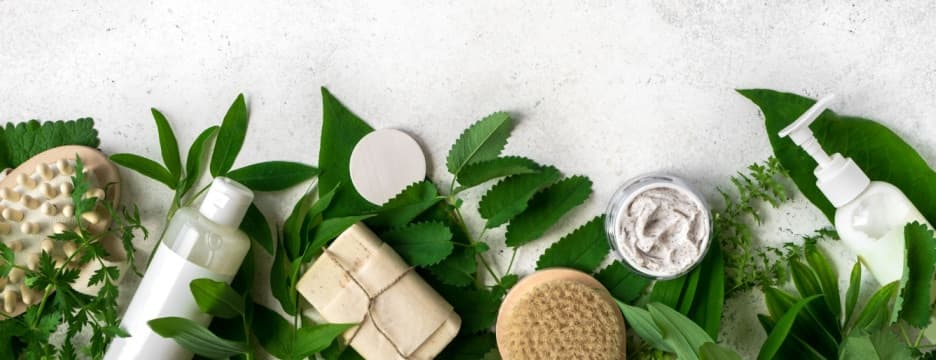
Why Choosing the Right Ingredients Matters
Selecting the right ingredients sets the foundation for your skincare product’s success. High-quality, effective ingredients help build trust with customers, ensure your product meets safety standards, and support the claims you make about your product’s benefits. Choosing the right ingredients also aligns your brand with your target audience’s preferences whether they seek organic, cruelty-free, vegan, or scientifically backed skincare. With the right ingredients, you can create products that stand out in a competitive market.
Key Considerations When Choosing Ingredients
1. Know Your Target Audience
Why It’s Important: Understanding who your target audience is will guide your ingredient choices. Different demographics have unique skincare needs and preferences, such as anti-aging, hydration, or acne control.
How to Do It: Research your target market and identify their primary skincare concerns. Consider age, gender, skin type, lifestyle, and preferences for natural, organic, or clinically proven ingredients. Tailor your ingredient choices to meet their specific needs and expectations.
2. Prioritize High-Quality Ingredients
Why It’s Important: High-quality ingredients enhance the product’s effectiveness, safety, and overall appeal. They also contribute to a higher level of customer satisfaction and brand loyalty.
How to Do It: Look for certified organic, ethically sourced, and sustainable ingredients whenever possible. Choose suppliers that provide transparency about their sourcing practices, quality standards, and certifications. High-quality ingredients typically come from reputable suppliers with strict quality control measures.
3. Choose Ingredients That Match Your Brand’s Values
Why It’s Important: Your ingredient choices should align with your brand’s philosophy, whether it’s clean beauty, cruelty-free, vegan, or eco-friendly. This helps create a cohesive brand image and attracts loyal customers who share your values.
How to Do It: Decide on your brand’s core values and ingredient standards before selecting ingredients. If sustainability is important, opt for biodegradable ingredients and sustainable packaging. If you promote clean beauty, avoid ingredients like parabens, sulfates, and synthetic fragrances.
4. Focus on Ingredient Safety and Compliance
Why It’s Important: Ensuring ingredient safety is crucial for regulatory compliance and consumer trust. Different markets have specific regulations on ingredients, safety, and labeling that your products must follow.
How to Do It: Work with your contract manufacturer’s regulatory team to ensure all chosen ingredients meet safety standards and are compliant with local and international regulations. Avoid banned or restricted ingredients, and review ingredient lists for allergens or potential irritants.
5. Consider Ingredient Efficacy and Benefits
Why It’s Important: Each ingredient should serve a purpose in the formula, contributing to the product’s overall performance and results. Effective ingredients improve the product’s benefits and provide a better experience for users.
How to Do It: Select ingredients backed by scientific research or traditional knowledge. Focus on active ingredients that address specific skin concerns like hydration, aging, or sensitivity. Examples include hyaluronic acid for moisture, vitamin C for brightening, and niacinamide for soothing and anti-aging.
Top Ingredient Categories to Consider for Skincare Products
1. Natural Oils and Butters
Why They’re Important: Natural oils and butters provide nourishment, hydration, and soothing benefits. They’re gentle on the skin and rich in vitamins, antioxidants, and essential fatty acids.
Top Choices: Argan oil, jojoba oil, shea butter, rosehip oil, and coconut oil.
Best For: Moisturizers, serums, body lotions, and soothing creams.
2. Botanical Extracts and Herbs
Why They’re Important: Botanical extracts offer antioxidant, anti-inflammatory, and healing properties. They enhance the sensory experience with natural fragrances and are ideal for clean beauty brands.
Top Choices: Aloe vera, chamomile, green tea extract, calendula, and lavender.
Best For: Toners, masks, cleansers, and soothing creams.
3. Active Ingredients
Why They’re Important: Active ingredients provide targeted benefits like hydration, anti-aging, brightening, or acne control. They deliver visible results, making them key to a product’s effectiveness.
Top Choices: Hyaluronic acid, retinol, salicylic acid, peptides, and niacinamide.
Best For: Serums, eye creams, spot treatments, and anti-aging products.
4. Humectants and Emollients
Why They’re Important: Humectants attract moisture to the skin, while emollients seal in hydration and create a smooth texture. Together, they prevent dryness and improve the skin’s barrier function.
Top Choices: Glycerin, propanediol, squalane, shea butter, and ceramides.
Best For: Moisturizers, lotions, and hydrating serums.
5. Exfoliants and Acids
Why They’re Important: Exfoliants and acids remove dead skin cells, promote cell turnover, and reveal a brighter complexion. They enhance the absorption of other skincare ingredients.
Top Choices: Glycolic acid, lactic acid, salicylic acid, fruit enzymes, and gentle physical exfoliants like jojoba beads.
Best For: Exfoliating scrubs, chemical peels, toners, and brightening treatments.
Steps to Work with a Contract Manufacturer on Ingredient Selection
1. Present Your Ingredient Wishlist
Why It’s Important: Sharing your preferred ingredients and product goals with the manufacturer helps them understand your vision. It sets the stage for creating a formula that meets your expectations.
How to Do It: Provide a list of ingredients you want to include and exclude. Discuss your product’s target benefits, texture, scent, and any specific ingredient requirements.
2. Leverage the Manufacturer’s Expertise
Why It’s Important: Contract manufacturers have extensive experience with ingredients and formulation. They can suggest alternatives, improve formulations, or recommend the best ingredients for specific results.
How to Do It: Take advantage of their expertise by asking questions and seeking recommendations. Discuss the ingredients’ compatibility, stability, and potential interactions in the formula.
3. Request Ingredient Samples and Testing
Why It’s Important: Testing ingredient samples ensures they meet your quality standards and perform well in the formula. It also helps you evaluate the sensory experience, like texture and scent.
How to Do It: Ask the manufacturer to provide ingredient samples for testing. Conduct stability, compatibility, and performance tests to verify that the chosen ingredients deliver the desired results.
4. Review Regulatory and Compliance Requirements
Why It’s Important: Regulatory compliance is essential for ensuring the product’s safety and legality in different markets. This step verifies that your ingredient choices meet industry standards.
How to Do It: Work with the manufacturer’s regulatory team to review ingredient compliance. Confirm that the ingredients align with local and international regulations, and make any adjustments if needed.
5. Finalize Ingredient List and Formulation
Why It’s Important: The final ingredient list determines the formula’s effectiveness, safety, and overall appeal. Finalizing the formulation allows you to move forward with production confidently.
How to Do It: Once testing and compliance checks are complete, finalize the ingredient list and formulation with the manufacturer. Ensure the final formula aligns with your brand’s vision, goals, and target market.
Additional Tips for Choosing the Best Ingredients
Stay Updated on Trends: Keep an eye on industry trends to identify popular ingredients that resonate with consumers, such as plant-based, sustainable, or innovative actives.
Prioritize Sustainability: Choose ingredients that are sustainably sourced and environmentally friendly to appeal to eco-conscious consumers.
Test for Sensory Appeal: Consider the product’s texture, scent, and absorption when selecting ingredients, as these factors significantly impact user experience.
Work with a Trusted Supplier: Collaborate with suppliers who maintain transparency and high standards. Ensure they provide quality certificates, safety data sheets, and information on ingredient sourcing.
Conclusion: Choosing the Best Ingredients for Contract Manufacturing Your Skincare Products
Selecting the right ingredients is essential for developing high-quality, effective, and marketable skincare products. Whether you focus on natural, scientifically backed, or luxury ingredients, your choices impact the product’s performance and appeal. By understanding your target audience, prioritizing safety, and collaborating closely with your contract manufacturer, you can create a standout skincare line that resonates with your customers and supports your brand’s mission.