
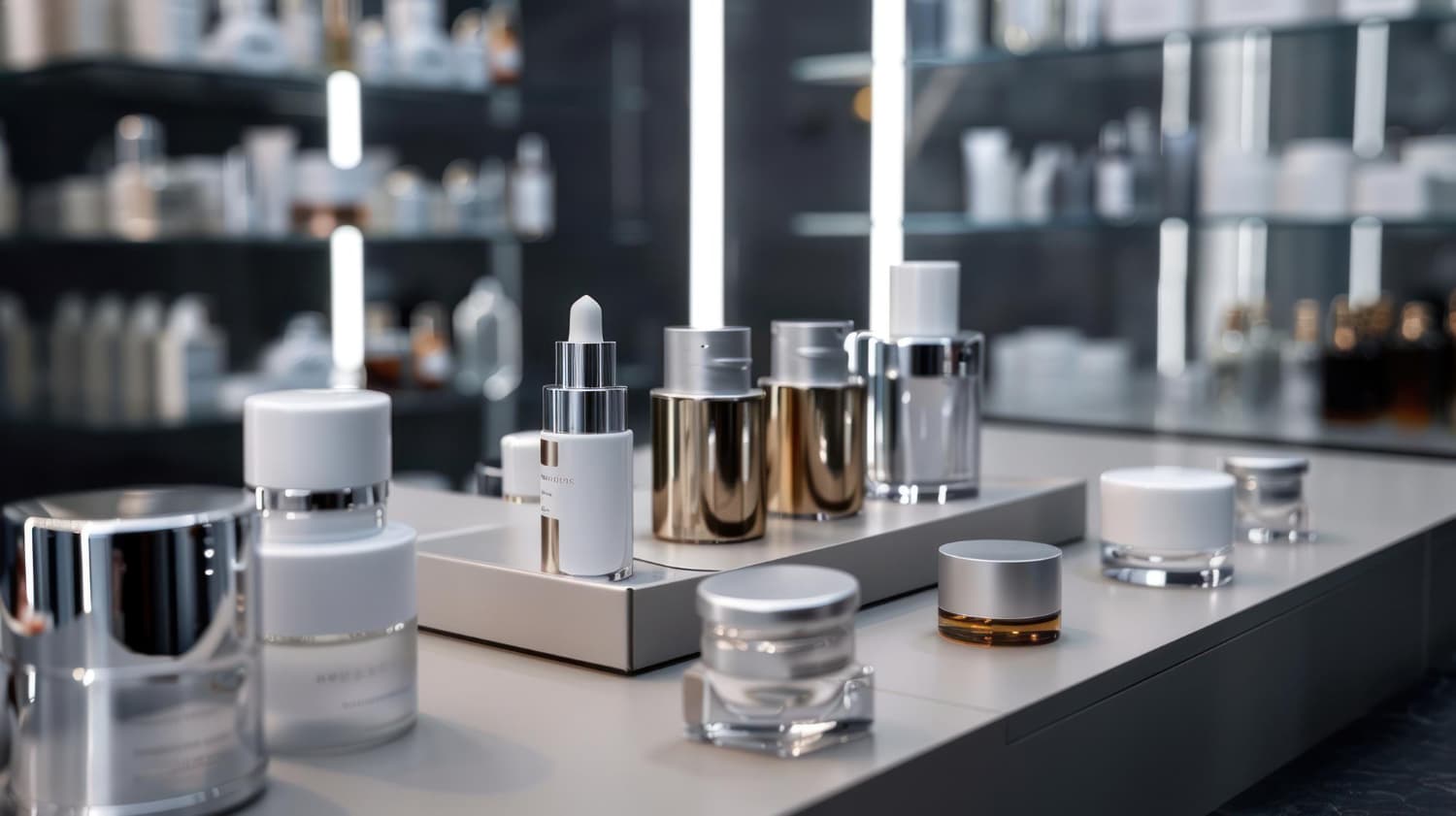
Why Contract Manufacturing is Ideal for Scaling Your Skincare Business
Contract manufacturing allows skincare brands to access high-quality production facilities, advanced technology, and expert knowledge without the costs of building an in-house manufacturing unit. This partnership enables brands to handle increased demand, expand product lines, and enter new markets. Here are some reasons why contract manufacturing is a great strategy for scaling:
Cost Efficiency: Avoid large investments in equipment, facilities, and staffing.
Speed to Market: Get products to market faster by leveraging established manufacturing processes.
Quality Assurance: Ensure consistent product quality and safety with professional manufacturing standards.
Flexibility: Adapt production volumes and introduce new products without major disruptions.
Steps to Scale Your Skincare Business with Contract Manufacturing
1. Choose the Right Contract Manufacturer
Why It’s Important: A reliable contract manufacturer is essential for maintaining product quality, ensuring timely delivery, and meeting your brand’s growth needs.
How to Do It: Research manufacturers who specialize in skincare and have a track record of producing high-quality products. Look for certifications like GMP (Good Manufacturing Practices) and ISO. Ask for references, review case studies, and visit their facilities to assess their capabilities.
2. Focus on Core Products and Identify Opportunities for Growth
Why It’s Important: Scaling a business requires a strong product lineup that meets consumer needs. Identify which products have the most growth potential and focus your efforts on them.
How to Do It: Analyze sales data to determine your best-selling products. Identify gaps in the market or customer feedback that could lead to new product opportunities. Use these insights to guide your production strategy with your contract manufacturer.
3. Establish Clear Production Goals and Expectations
Why It’s Important: Setting clear production goals helps your manufacturer understand your needs and ensures that your growth targets are met. Miscommunication can lead to delays or quality issues.
How to Do It: Share your business plan, sales projections, and target production volumes with your manufacturer. Clearly define expectations around product quality, timelines, ingredient preferences, and packaging requirements.
4. Optimize Your Supply Chain and Ingredient Sourcing
Why It’s Important: A streamlined supply chain ensures a steady flow of ingredients and packaging materials, allowing you to meet production schedules. Reliable ingredient sourcing maintains consistency across batches.
How to Do It: Work closely with your manufacturer to establish a supply chain that can handle increased production. Choose trusted suppliers for high-quality ingredients and materials. Consider building long-term partnerships with suppliers to secure bulk discounts and reliable availability.
5. Develop Custom Formulas and Unique Products
Why It’s Important: Offering unique products sets your brand apart in the market. Custom formulations can cater to niche markets, increasing your brand’s appeal.
How to Do It: Collaborate with your manufacturer’s formulation team to develop custom products that align with your brand’s identity. Experiment with new ingredients, textures, and packaging to create innovative products that stand out. Use market research to identify trends and consumer preferences.
6. Implement Effective Quality Control Measures
Why It’s Important: Scaling a skincare business requires maintaining consistent quality across larger production volumes. Quality control prevents issues that could harm your brand’s reputation.
How to Do It: Ensure your manufacturer follows strict quality control protocols, including stability testing, microbial checks, and packaging assessments. Review test results and request detailed documentation for each batch. Regularly audit the manufacturing process to ensure compliance with your standards.
7. Focus on Packaging and Branding Consistency
Why It’s Important: Packaging and branding consistency reinforce your brand’s identity and create a professional image. It helps build trust and brand loyalty among customers.
How to Do It: Work with your manufacturer to develop cohesive packaging that aligns with your brand’s image. Use consistent colors, fonts, logos, and messaging across all products. Ensure that packaging is practical, eco-friendly, and visually appealing.
8. Prepare for Increased Production with Scalable Solutions
Why It’s Important: As demand grows, your production capacity should scale smoothly. A good contract manufacturer will have the ability to accommodate increased production without compromising quality.
How to Do It: Discuss scalability with your manufacturer before committing. Ensure they have the capacity to handle larger orders and the flexibility to adapt to changes in demand. Plan production schedules in advance, allowing time for adjustments and additional batches if needed.
9. Explore New Sales Channels and Distribution Networks
Why It’s Important: Expanding your sales channels helps reach a broader audience and increases revenue. Contract manufacturing supports this expansion by enabling reliable product availability.
How to Do It: Consider entering new markets, retail stores, online platforms, and international territories. Work with your manufacturer to adjust production volumes based on channel performance. Ensure your manufacturer can meet the regulatory requirements for each new market.
10. Maintain Open Communication with Your Manufacturer
Why It’s Important: Clear communication builds a strong partnership and ensures a smooth production process. It helps address issues quickly and keeps projects on track.
How to Do It: Schedule regular meetings with your manufacturer to review progress, discuss upcoming projects, and provide feedback. Use these meetings to stay updated on any changes in production schedules, ingredient availability, or testing results.
Additional Tips for Scaling Your Skincare Business with Contract Manufacturing
Invest in Marketing: As your production capacity grows, increase your marketing efforts to drive demand. Utilize social media, influencer partnerships, and targeted advertising to reach a larger audience.
Gather Customer Feedback: Use customer reviews, surveys, and social media feedback to identify strengths and areas for improvement. Use this information to refine your products and introduce new offerings.
Leverage Data Analytics: Analyze sales data, market trends, and customer preferences to guide your product development and marketing strategies. Make data-driven decisions for future growth.
Keep an Eye on Industry Trends: Stay updated on skincare trends, ingredient innovations, and consumer demands. Use this information to adapt your product lineup and remain competitive.
Focus on Sustainability: Many consumers value eco-friendly brands. Consider integrating sustainable practices in your manufacturing, such as recyclable packaging and responsibly sourced ingredients.
Common Challenges in Scaling a Skincare Business and How to Overcome Them
Maintaining Quality: As production volumes increase, maintaining consistent quality can be challenging. Address this by working with a manufacturer that has strict quality control protocols and the expertise to handle large-scale production.
Managing Inventory: Balancing inventory with demand is critical to avoiding overproduction or stockouts. Monitor sales data closely and adjust production schedules to meet changing needs.
Navigating Regulatory Requirements: Expanding into new markets often requires compliance with different regulations. Choose a manufacturer familiar with the regulatory landscape of your target markets to ensure smooth entry.
Handling Cash Flow: Scaling requires a steady cash flow to cover increased production costs. Plan your budget carefully and explore financing options if necessary.
Conclusion: How to Scale Your Skincare Business with Contract Manufacturing
Scaling your skincare business with contract manufacturing is a smart strategy for brands looking to grow efficiently. It provides access to top-quality facilities, expert guidance, and reliable production capabilities while keeping costs manageable. By choosing the right partner, focusing on product quality, and keeping communication open, you can successfully expand your skincare line and reach a broader audience.