
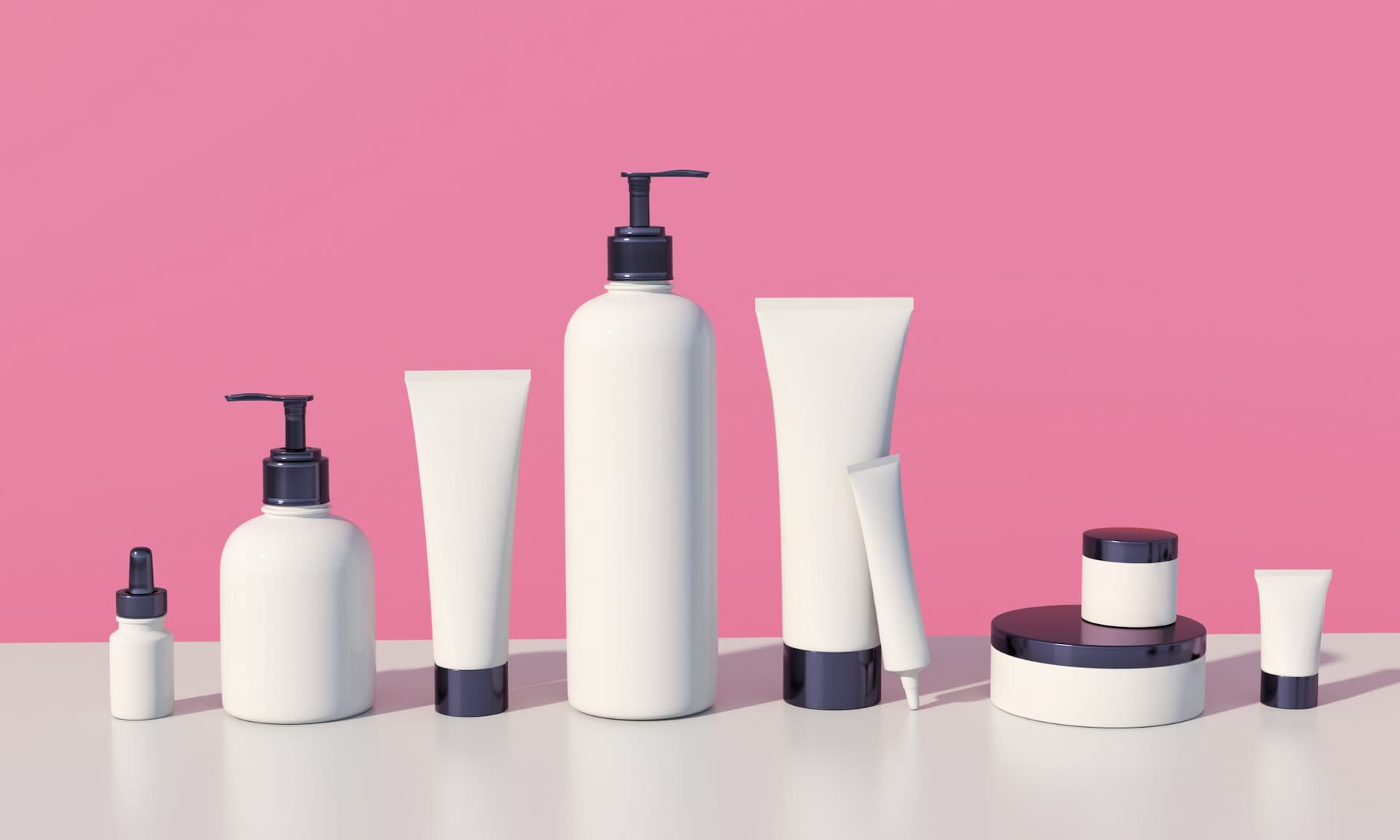
Why Packaging Matters in Skincare Contract Manufacturing
Packaging is more than just a container it’s a key part of your product’s appeal and effectiveness. Here’s why packaging is so important:
Brand Identity: Packaging showcases your brand’s style and values. It helps your product stand out in stores or online, making it easy for your target audience to recognize.
Product Protection: Proper packaging keeps the product safe from light, air, and moisture, which can impact its quality. It also ensures that the product stays in good condition during storage and shipping.
Regulatory Compliance: Packaging must follow industry standards and regulations. This includes providing clear information about ingredients, usage, and warnings.
User Experience: Packaging affects how easy it is to use the product. A well-designed package can enhance customer satisfaction and encourage repeat purchases.
Key Considerations for Packaging in Skincare Contract Manufacturing
1. Product Protection and Preservation
Why It’s Important: Skincare products can be sensitive to light, air, and moisture. Good packaging helps maintain the product’s quality and extends its shelf life.
What to Consider: Choose materials that offer good seals, UV protection, and durability. For light-sensitive products, consider opaque or tinted packaging to shield them from light exposure.
2. Compliance with Regulatory Standards
Why It’s Important: Packaging must meet specific guidelines to ensure safety and transparency. Failing to comply can lead to legal issues or product recalls.
What to Consider: Make sure the packaging includes clear ingredient lists, directions, warnings, and expiration dates. Work closely with your manufacturer to ensure compliance with all regulations.
3. Branding and Visual Appeal
Why It’s Important: Attractive packaging helps your product get noticed. The design should connect with your brand’s identity and appeal to your audience.
What to Consider: Collaborate with your manufacturer’s design team to create a look that matches your brand’s style. Use colors, materials, and designs that reflect your values and resonate with your target customers.
4. Functionality and User Experience
Why It’s Important: Customers expect skincare products to be easy to use. Functional packaging makes a difference in customer satisfaction.
What to Consider: Choose packaging that is easy to open, dispense, and store. Test the package to ensure it delivers the right amount of product without leaks or mess.
5. Sustainability and Eco-Friendly Options
Why It’s Important: Many consumers now prefer brands that prioritize sustainability. Eco-friendly packaging can attract environmentally conscious buyers.
What to Consider: Look for recyclable, biodegradable, or reusable packaging materials. Consider reducing excess packaging to minimize waste, while still offering good protection.
Types of Skincare Packaging in Contract Manufacturing
1. Primary Packaging
What It Is: This is the container that holds the product directly, such as bottles, jars, and tubes.
Key Considerations: Ensure the material is strong and safe for the product inside. Consider the product’s texture, whether it’s a cream, gel, or serum and choose packaging that suits it.
2. Secondary Packaging
What It Is: Secondary packaging includes outer boxes and cartons. It protects the primary container and provides space for additional branding.
Key Considerations: Choose sturdy materials to protect the product during transit. Use the space to share brand messages, instructions, and ingredient details.
3. Tertiary Packaging
What It Is: This is bulk packaging for shipping and storage, like large boxes or pallets.
Key Considerations: Use strong, durable materials to protect products during transport. Make sure it’s clearly labeled for easy inventory management.
Packaging Design Process in Skincare Contract Manufacturing
1. Concept Development and Design Brief
What It Involves: Start with a clear idea of the packaging’s purpose and style. The design brief outlines your requirements.
What to Do: Work with your manufacturer to create a detailed design plan. Include your brand’s vision, preferred colors, materials, and any unique features you want.
2. Material Selection and Prototyping
What It Involves: Selecting the right materials is key for durability and cost. Prototyping creates sample designs for review.
What to Do: Test prototypes for strength, appearance, and how well they protect the product. Ensure the chosen materials match your budget and branding goals.
3. Labeling and Compliance Review
What It Involves: Labels include vital information like ingredients and instructions. Compliance review ensures everything is accurate and legal.
What to Do: Double-check the label’s accuracy and clarity. Make sure it meets all regulatory standards before finalizing the design.
4. Testing and Quality Assurance
What It Involves: Quality tests make sure the packaging holds up under normal conditions. This includes testing for leaks, durability, and compatibility with the product.
What to Do: Work with your manufacturer to test the packaging thoroughly. Address any issues before starting large-scale production.
5. Final Approval and Production
What It Involves: Once testing is complete, approve the final design and begin full-scale production. This includes assembly, filling, and labeling.
What to Do: Review the initial production samples to confirm quality. Monitor production to ensure it meets your expectations.
Common Challenges in Skincare Packaging and How to Overcome Them
Product Compatibility: Some formulas may react with packaging materials. Perform compatibility tests to avoid issues.
Labeling Mistakes: Inaccurate labels can cause problems. Check labels carefully for compliance and accuracy.
Durability Issues: Weak packaging can lead to damaged products. Use sturdy, high-quality materials to prevent breakage.
Sustainability Balance: Balancing eco-friendly options with functionality can be difficult. Choose sustainable materials that still provide the necessary protection.
Benefits of Effective Packaging in Skincare Contract Manufacturing
Builds Brand Loyalty: Eye-catching and user-friendly packaging encourages repeat purchases and customer trust.
Protects Product Quality: Good packaging maintains the product’s integrity and keeps it fresh.
Boosts Shelf Appeal: Attractive packaging draws attention on crowded shelves and online listings.
Ensures Compliance: Proper labels and packaging keep you compliant with regulations, avoiding legal risks.
Shows Brand Values: Sustainable and well-designed packaging can highlight your brand’s dedication to quality and eco-friendliness.
Conclusion: The Role of Packaging in Skincare Contract Manufacturing
Packaging is a vital part of skincare production, affecting everything from product safety to customer satisfaction. In contract manufacturing, effective packaging requires a close partnership between the brand and the manufacturer. By focusing on protection, compliance, and visual appeal, you can create packaging that not only enhances the user experience but also supports your brand’s growth and sustainability efforts.